Favourite list
You didn't save any products to this list yet. You can save all the products that you like and view it later from here.



UR Supermarket was established in 2004 and has been proudly serving the local community in Fulham seven days a week. It is known for selling fresh Halal meat and Poultry as well as fresh fruits, vegetables, and other generic and cultural groceries at affordable prices. UR Supermarket has the pride to be one of the oldest Halal and cultural grocery shops on North End Road. They specialise in all Arabic, Middle Eastern, and Persian groceries.

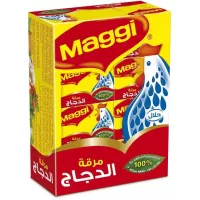 Condiments & Cooking Ingredients
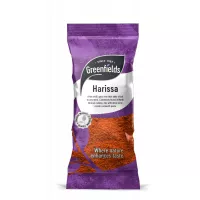 Spices, Condiments, Seasoning & Herbs
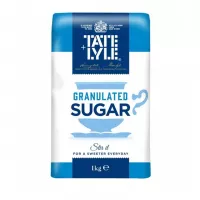 Home Baking, Sugar & Flour
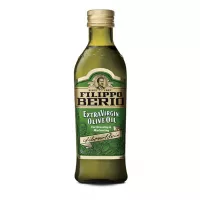 Oils & Ghee
 Biscuits, Crackers & Cakes
 Sauces & Dressings
 Crisps, Crackers & Snacks
 Jam, Honey, Molasses & Spreads
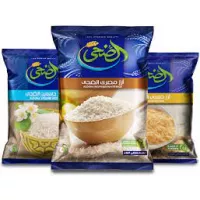 Rice, Pasta & Pulses
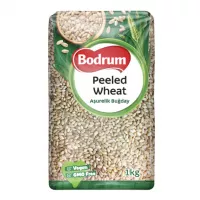 Whole Grains & Legumes
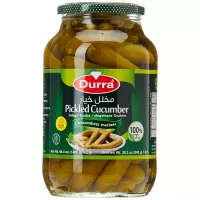 Pickles & Appetisers
 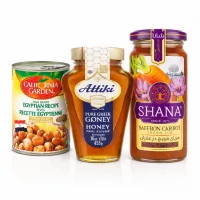 Tins, Cans, Jars & Soups
 Vinegar
 Nuts, Seeds, Dates & Dried Fruits
 Chocolate & Sweets
 Dried Vegetables & Herbs
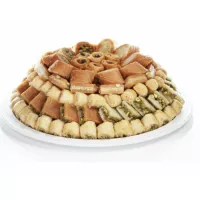 Oriental Sweets
 Cereal, Porridge & Breakfast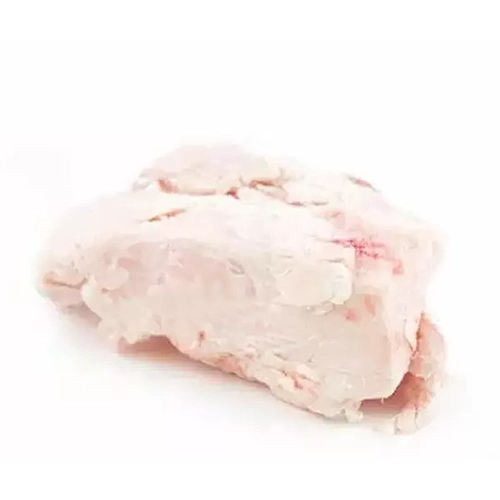
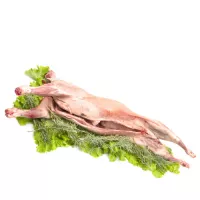
Tail fat, known as Liyah in Arabic or Kurdyuk in Central Asian languages, is the "liquid gold" of traditional Middle Eastern and Silk Road cuisines. Unlike standard suet or kidney fat, tail fat is prized for its low melting point, silky texture, and deep, savory aroma.
In specific "fat-tailed" sheep breeds (like the Awassi), the tail serves a similar purpose to a camel's hump—it acts as an energy reserve.
Flavor: It has a rich, earthy, and slightly gamey flavor that is far more complex than beef or vegetable oils.
Texture: Because it is exposed to cooler temperatures on the animal's exterior, it has a lower melting point than internal fats, making it exceptionally smooth and "buttery" when rendered.
Rendering purifies the fat, removing water and proteins to create a shelf-stable cooking medium.
Prep: Start with very cold or semi-frozen fat. Trim away any visible meat or gristle.
Chop: Cut the fat into very small cubes (approx. 1cm) or pulse in a food processor to increase surface area for faster rendering.Low Heat: Place the fat in a heavy-bottomed pot. You can add a splash of water (the "wet rendering" method) to prevent scorching at the start.
Simmer: Cook on the lowest possible heat for 1–3 hours. The fat will melt into a clear, golden liquid while the remaining solids become crispy "cracklings"
Strain: Pour the liquid through a fine-mesh sieve or cheesecloth into a glass jar.
Storage: Once cooled, it turns creamy white. It lasts for months in the fridge or indefinitely in the freezer.
| Feature | Lamb Tail Fat | Butter | Ghee (Clarified Butter) |
| Smoke Point | High (approx. 200°C) | Low (approx. 175°C) | Very High (approx. 250°C) |
| Flavor Profile | Savory, earthy, gamey | Sweet, creamy | Nutty, toasted |
| Fat Content | 100% Animal Fat | ~80% Fat, 20% Water/Solids | ~100% Milk Fat |
| Best For | Grilling, Rice, Slow Braises | Baking, Sautéing | Frying, Indian Cuisine |
Tail fat is the secret ingredient that makes regional dishes taste "authentic."
The "Nose-to-Tail" movement, pioneered by chefs like Fergus Henderson, has sparked a resurgence in traditional animal fats in British kitchens
Zero Waste: Using the fat respects the whole animal and reduces food waste.
Flavor Complexity: Modern chefs are moving away from neutral seed oils toward fats that add their own "terroir" and flavor to a dish.Stability: Unlike highly processed vegetable oils, animal fats like lamb tallow are highly stable at high temperatures, making them a preferred choice for roasting and searing.
Source: here
No reviews found


© 2024 - 2026 All rights reserved. halalo.co.uk is a British brand, owned and operated by Better & Partners Communications Limited




 Twitter


