Favourite list
You didn't save any products to this list yet. You can save all the products that you like and view it later from here.

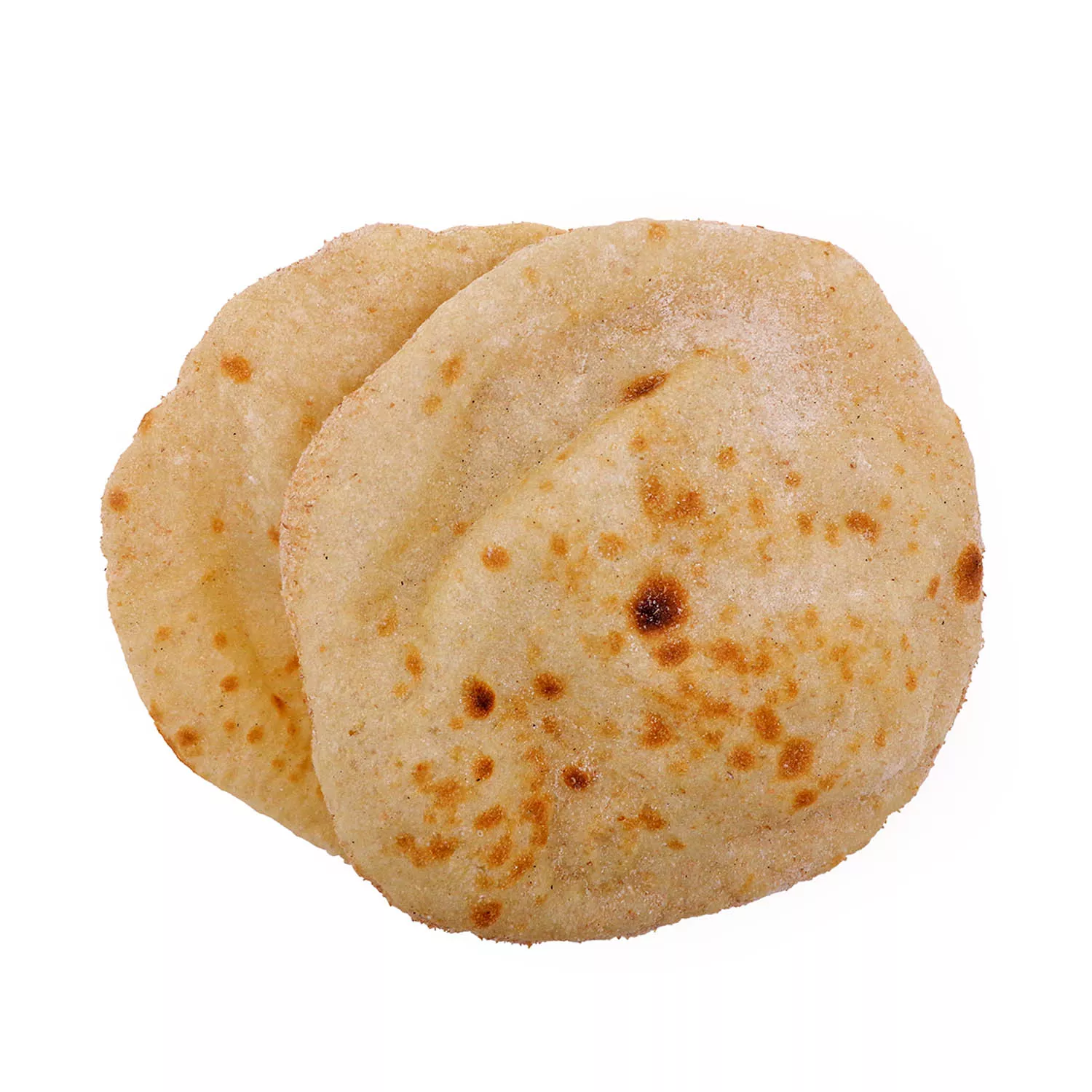
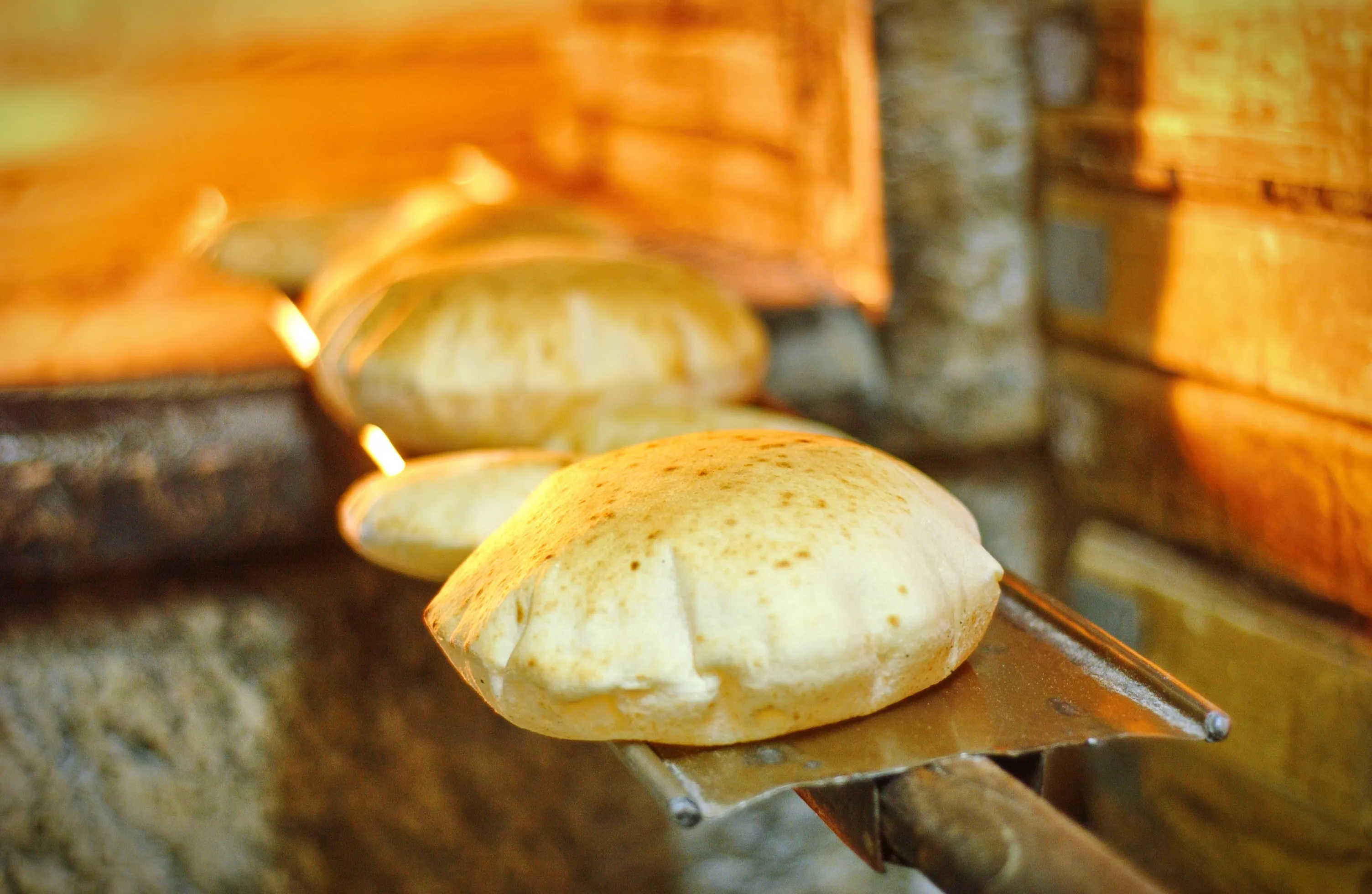
In Egypt, bread is not just food. It is life itself. Egyptians don't call bread khobz. They call it "Aish" — which literally means life in Arabic. This isn't poetry. It's reality. Bread is present at every Egyptian meal, across all social classes, from ancient times to modern Cairo. To understand Egyptian food, culture, and daily life — you must understand its bread and guess what it is here in the UK!!
In this guide: You will learn about the ancient origins of Egyptian bread, what makes Aish Baladi unique, how Egyptians use bread in daily life, traditional Egyptian meals with bread, where to buy authentic Egyptian bread in the UK.
Don't have time to read and ready to try authentic Aish Baladi? Order fresh Egyptian bread from Halalo, delivered straight to your door.
Egypt is one of the birthplaces of bread as we know it today.
More than 5,000 years ago, Ancient Egyptians:
Bread was so central to Egyptian civilization that workers building the pyramids were paid in loaves, bread was placed in tombs to nourish the dead in the afterlife, and hieroglyphs used bread symbols to represent life and sustenance.
Many food historians believe that leavened bread likely originated in Ancient Egypt, later spreading to Greece, Rome, and eventually the entire world. Egyptian bakers were so skilled that they were highly sought after throughout the ancient Mediterranean.
In short: The world learned the art of bread-making from Egypt.
The most beloved Egyptian bread is Aish Baladi (عيش بلدي), which translates to "country bread" or "local bread."
Aish Baladi is:
Unlike lighter Middle Eastern flatbreads like pita, Aish Baladi is heartier, denser, and more filling. It's designed to be multifunctional — serving as utensil, plate, and food all at once.
The bread is always torn by hand, never cut — a small but significant cultural practice that connects modern Egyptians to centuries of tradition.
Ready to try authentic Aish Baladi? Order fresh Egyptian bread from Halalo, delivered straight to your door.
In Egypt, bread transcends cuisine — it's woven into the social and economic fabric of the nation.
For generations, the Egyptian government has subsidized bread to ensure that even the poorest families can afford this staple. The price of bread is so politically sensitive that increases have historically sparked protests and unrest. Bread isn't just a commodity — it's treated as a basic human right.
Why such reverence for bread?
Because Aish is:
An Egyptian meal without bread feels fundamentally incomplete. It would be like serving pasta without sauce, or tea without water.
Egyptian bread isn't a side dish or an accompaniment — it's the primary tool of eating.
Egypt's national breakfast is ful medames — slow-cooked fava beans seasoned with olive oil, lemon, cumin, and garlic. The dish is served in a bowl, and fresh Egyptian bread is torn into pieces and used to scoop up every bite.
No spoon needed. No fork required. Just bread and ful.
Other breakfast favorites include:
While most of the world makes falafel with chickpeas, Egyptians use fava beans to create ta'ameya — a greener, herb-rich version.
Fresh ta'ameya is fried to order, stuffed into warm Aish Baladi, and topped with:
This humble sandwich feeds millions of Egyptians every single day — from students to taxi drivers to office workers. You can recreate this authentic experience at home by ordering Egyptian bread from Halalo.
Egyptian cuisine is designed around bread. Main dishes are served in communal bowls or platters, and everyone uses bread to:
Bread = spoon + fork + plate — all in one.
In Egyptian villages and urban homes alike, the most basic meal consists of:
This simple combination — bread, oil, and salt — is considered sacred. It represents sustenance in its purest form, shared for thousands of years.
Wherever Egyptians migrate, bread follows.
In the UK and across Europe, Egyptian bakeries have opened to serve diaspora communities craving the taste of home. Halal shops stock fresh Egyptian bread daily, and Egyptian homes abroad still center every meal around Aish.
For many Egyptians living outside their homeland, Aish Baladi is the strongest emotional connection to Egypt — more than any other food. The smell of fresh bread can transport someone instantly back to their grandmother's kitchen, to street corners in Cairo, to family gatherings around a shared meal.
Craving authentic Aish Baladi? You can now order fresh Egyptian bread from Halalo and have it delivered across the UK.
✓ Baked fresh daily — authentic taste and texture ✓ Perfect for traditional meals — ful medames, ta'ameya, dips, and stews ✓ Freezer-friendly — stock up and defrost as needed ✓ Delivered to your door — no need to search for specialty bakeries
Order Egyptian Bread from Halalo Now
Room Temperature: Keep in a bread bag or wrapped in a clean cloth for 1-2 days.
Refrigerator: Not recommended — it dries out the bread.
Freezer: Wrap individual pieces in plastic wrap or foil, place in a freezer bag, and freeze for up to 3 months.
Reheating: Warm in a hot oven (200°C) for 3-5 minutes, or heat directly on a stovetop over medium flame for 30 seconds per side. This brings back the fresh-baked texture.
Because bread is shared, never wasted, respected, and present at every table.
There's a common Egyptian practice: if bread falls on the ground, many people will pick it up, kiss it, and place it somewhere clean rather than throw it away. This gesture reflects the deep reverence Egyptians have for bread.
Wasting bread is considered disrespectful — not just to food, but to life itself.
Bread represents:
Bread is life. And life, in Egypt, is bread.
| Topic | Meaning |
|---|---|
| History | Over 5,000 years old, possibly the birthplace of leavened bread |
| Culture | Central to daily life, social stability, and national identity |
| Language | "Aish" = life in Arabic |
| Function | Replaces utensils — used as spoon, fork, and plate |
| Emotion | Represents comfort, dignity, heritage, and belonging |
| Availability in UK | Fresh from Halalo |
What is Egyptian bread called?
Egyptians call bread "Aish," which means "life" in Arabic. The most common type is Aish Baladi, a round, whole wheat flatbread that's a staple of Egyptian cuisine.
Aish Baladi is made from whole wheat flour, water, salt, and natural fermentation (either sourdough starter or commercial yeast). It's baked at high temperature to create a pocket inside.
While similar in shape, Aish Baladi is heavier, denser, and made with whole wheat flour, giving it a darker color and nuttier flavor. It's also thicker and more filling than typical pita bread.
Yes! Wrap each piece tightly in plastic wrap or foil, place in a freezer bag, and freeze for up to 3 months. Reheat in a hot oven or on the stovetop to restore freshness.
Aish Baladi is eaten with nearly everything: ful medames (fava beans), ta'ameya (Egyptian falafel), molokhia soup, stews, dips like baba ghanoush and hummus, grilled meats, and simply with olive oil and salt.
You can buy authentic fresh Egyptian bread from Halalo, with delivery available across the UK. Also check Egyptian bakeries and Halal shops in major cities.
Egyptian bread is more than a recipe — it's a living tradition that has survived thousands of years and continues to nourish millions every day.
Whether you're Egyptian and missing the taste of home, or simply curious about one of the world's oldest food cultures, fresh Aish Baladi from Halalo brings authentic Egyptian flavor to your kitchen.
Try it with ful medames for breakfast. Make a ta'ameya sandwich for lunch. Use it to scoop your favorite dips. Experience why Egyptians have called bread "life" for over 5,000 years.
Order Fresh Egyptian Bread from Halalo Today
Have you tried Egyptian bread? Share your favorite way to enjoy Aish Baladi with us


© 2024 - 2026 All rights reserved. halalo.co.uk is a British brand, owned and operated by Better & Partners Communications Limited

 Twitter


