Halalo Blog – Halal & Cultural Food Insights

Explore the Halalo.co.uk blog for halal recipes, cultural food tips, product reviews, and news from trusted UK halal sellers. Learn how to cook authentic meals and discover new products.

Our blog connects you with the UK’s leading halal marketplace, offering insights into ingredients, seasonal foods, and cultural specialties, helping you make informed shopping decisions.

Stay inspired with tips, recipes, and updates while enjoying a seamless online shopping experience for halal groceries, fresh meat, frozen foods, bakery, dairy, drinks, and more.

Raw Honey: History, Culture, Health Benefits & Why It Matters to Halal Food Lovers

Raw Honey: History, Culture, Health Benefits & Why It Matters to Halal Food Lovers

A Sweet Legacy Through the Ages
14/12/2025
by Usama Sharif

Raw Honey: History, Culture & Health Benefits

Raw honey isn’t just a sweet ingredient — it’s one of the world’s oldest and most culturally significant foods. Across continents and civilisations, raw honey has been treasured not only for its taste, but also for its tradition, symbolism, and everyday usefulness.

Shop raw honey on Halalo

The story of honey stretches back thousands of years:

  • Ancient civilisations: Honey was found in Egyptian tombs and used as an offering, a preserved food, and even in burial rituals.
  • Cultural symbolism: In many Middle Eastern and South Asian cultures, honey represents abundance, sweetness in life, and blessing.
  • Historic trade routes: Long before supermarkets, honey traveled along trade routes from Arabian deserts to Mediterranean ports, becoming a core part of local cuisines and traditional remedies.

Across the Muslim world, honey is not just a pantry staple but a cultural touchstone — part of traditional breakfasts, celebratory desserts, and spiritual symbolism.

  • Room temperature is best: No need to refrigerate raw honey.
  • Crystallisation is normal: If it turns thick or grainy, that’s a good sign of a natural product.
  • To soften it: Place the jar in a bowl of warm (not boiling) water and stir gently until it returns to a smoother consistency.

When we talk about raw honey, we mean honey that is as close as possible to how it comes out of the hive:

  • Unheated and unpasteurised – helping preserve natural enzymes and aroma.
  • Minimally processed – unlike many supermarket honeys that are heavily filtered and heated.
  • True to the hive – can contain trace pollen and phytonutrients linked to its floral and regional origin.

This means raw honey often has a richer flavour, deeper colour, and more of the naturally occurring compounds that make it unique.

While everyone is different and honey is not a medicine, people traditionally use raw honey for:

  • Natural antioxidants: Raw honey contains plant compounds that many people seek as part of a balanced diet.
  • Soothing the throat: A spoonful in warm water or tea is a classic way to ease a dry or scratchy throat.
  • Seasonal routines: Because raw honey may contain trace local pollens, some people include it in their seasonal well-being habits.
  • Gentle energy boost: Its natural sugars and rich texture make it a popular pre- or post-workout snack when paired with fruit or yogurt.

For anyone looking for more natural, less processed sweetness, raw honey can be a useful alternative to refined sugar in drinks and recipes.

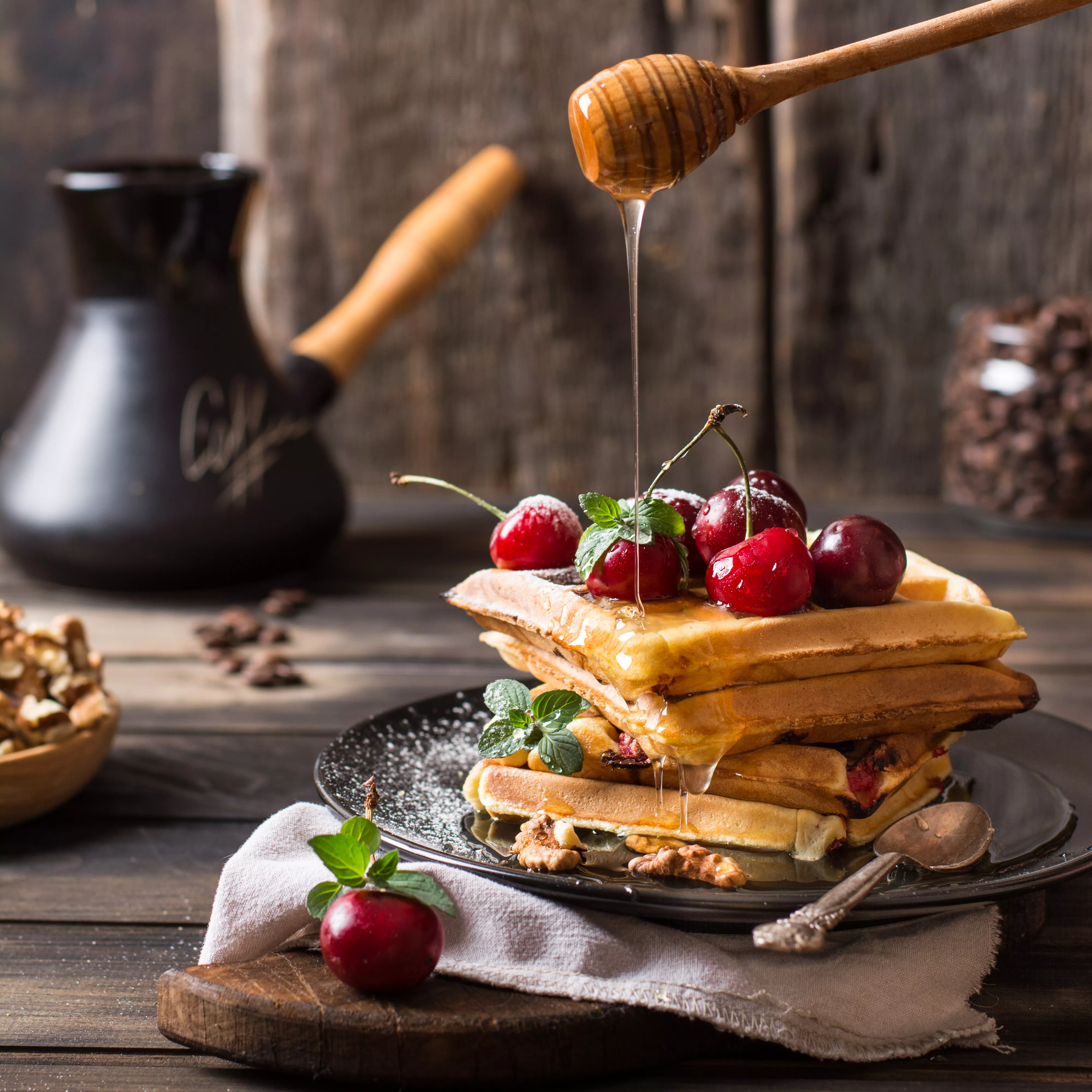
  • Middle Eastern breakfasts: Drizzled over labneh, bread, and olives, or paired with cheese and nuts.
  • With dates: Combining dates and honey for an ultra-rich, celebratory sweet.
  • In desserts: Used instead of sugar in cakes, pastries, and traditional puddings for more depth of flavour.
  • As a glaze: Mixed with spices and oil to glaze roasted meats, nuts, and vegetables.

Because raw honey reflects the flowers and region it comes from, Yemeni, Greek, Palestinian or other regional honeys can taste completely different — which makes tasting and comparing them a delicious experience.

For halal consumers, raw honey has a very special place:

  • Naturally halal: No animal processing or additives needed.
  • Deeply cultural: Used in many Muslim households during Ramadan, Eid, weddings, and family gatherings.
  • Everyday + spiritual: It connects taste, tradition, and values in one simple ingredient.

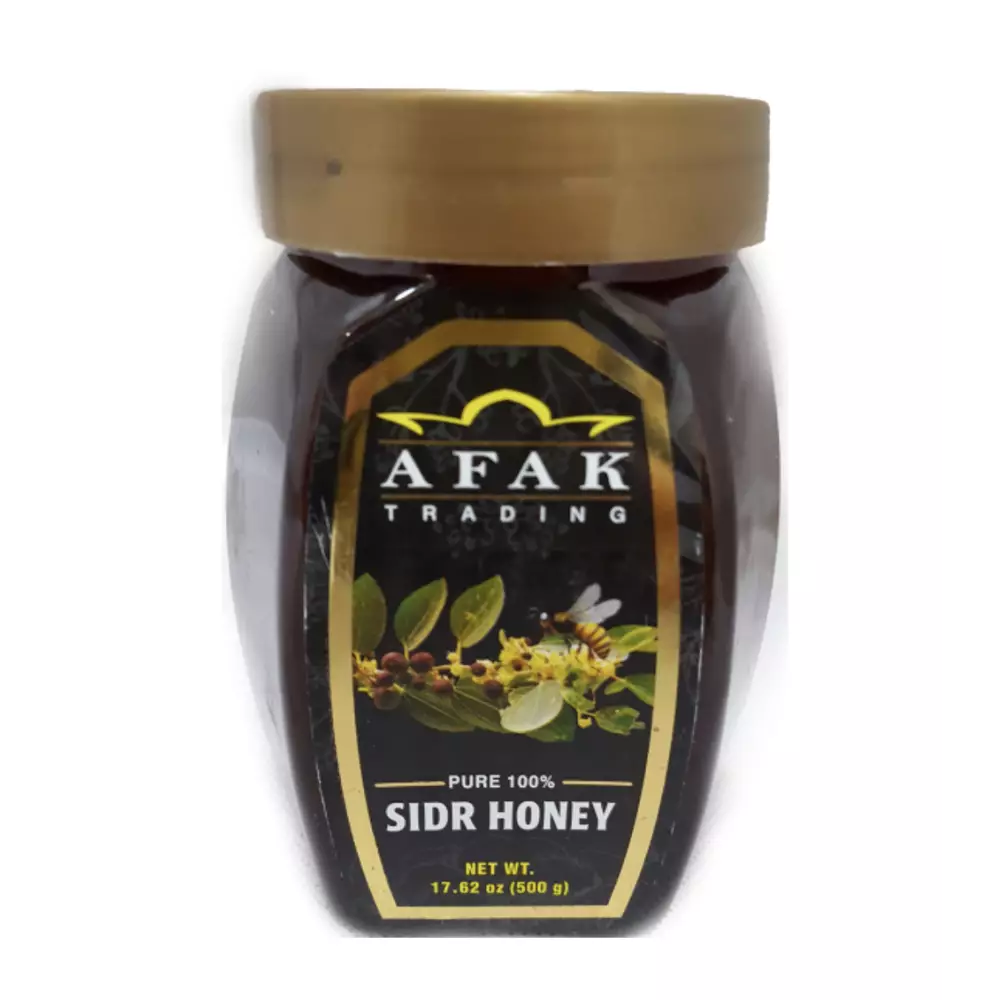
Whether you are exploring robust Sidr honey, raw Yemeni honey, or other varieties, adding raw honey to your kitchen is a simple way to bring more natural sweetness and cultural depth to your meals.

 Explore raw honey options on Halalo

AspectWhy It’s Valued
HistoryOne of the world’s oldest human foods, used by ancient civilisations.
CultureSymbol of sweetness, blessing, and celebration in many Muslim cultures.
TasteFlavour changes by region and flowers — each raw honey is unique.
Daily UseNatural sweetener, throat soother, energy boost, and a versatile kitchen ingredient.
Halal PerspectiveNaturally halal, connects modern cooking with prophetic and traditional practices.